
Hard skills, soft skills, and which belong in a list
A skills section does two jobs: it makes you findable in a database search, and it gives a human a five-second read on whether you are plausible for the role. Only one kind of skill does either job well.
| Hard skills | Soft skills | |
|---|---|---|
| What they are | Teachable, testable, specific: Python, IFRS 16, phlebotomy, SolidWorks, Epic, Kubernetes | Behavioural: communication, leadership, adaptability, teamwork |
| Verifiable? | Yes — by test, certification or interview | Only by evidence, never by assertion |
| Searched by recruiters? | Constantly | Almost never |
| Belongs in the skills list? | Yes | No — put them in experience bullets |
This is not a claim that soft skills do not matter. They frequently decide the hire. But "excellent communicator" as a bullet in a list is worth nothing, whereas "wrote the handover documentation now used by 40 staff across three shifts" demonstrates the same thing and cannot be copied by someone who did not do it. Assertion is free; evidence is not.
How many skills, and where they go
12 to 30 items, in four to six labelled categories. Under about ten reads as thin for a professional role. Over thirty and you have built a word cloud — the reader stops attributing weight to any single item, and you have quietly invited a question about whichever one you know least well.
Placement: directly under your summary and above work experience, for nearly everyone. It is where a recruiter's eye goes second and it costs five lines. Two exceptions — in regulated fields (nursing, teaching, law, accounting) licensure and certifications take that slot and skills move below experience, and on an academic CV technical skills sit near the bottom.
In the NextCV scoring model, skills carry 20% of your ATS score — second only to work experience at 30%. For a section you can rewrite in five minutes, that is a strong return.
Grouping that survives parsing
Grouped skills are easier to skim and easier to tailor. Use labelled plain-text lines, not a grid.
Fragile and hard to scan
A four-column bordered table with one skill per cell, or one 40-item comma-separated paragraph.
Safe and skimmable
Languages: Java, Kotlin, Python, SQL
Cloud & infra: AWS (ECS, Lambda, RDS), Docker, Terraform
Why the table version fails: text extraction reads a table in an unpredictable order, so a tidy grid becomes "Languages Senior Java Engineer Python Acme SQL 2022" in the parsed record. The labelled-line version reads correctly as a machine and as a person.
Two more mechanics worth getting right. Spell out ambiguous acronyms once — Continuous Integration / Continuous Deployment (CI/CD), Advanced Cardiac Life Support (ACLS) — because you do not know which form the recruiter typed. And keep punctuation-heavy names in their conventional form: Node.js, C#, .NET, React 18 with the space intact.
Engineering and IT skills
| Category | Examples |
|---|---|
| Languages | Java, Kotlin, Python, TypeScript, JavaScript, Go, Rust, C#, C++, Swift, PHP, Ruby, Scala, SQL, Bash |
| Frontend | React, Next.js, Vue, Angular, Svelte, HTML5, CSS3, Tailwind, Redux, Vite, Webpack, accessibility (WCAG 2.2), Core Web Vitals |
| Backend & APIs | Spring Boot, Node.js, Django, FastAPI, .NET, Rails, REST, GraphQL, gRPC, OpenAPI, event-driven architecture |
| Data stores | PostgreSQL, MySQL, MongoDB, Redis, Elasticsearch, DynamoDB, Cassandra, Kafka, RabbitMQ |
| Cloud | AWS (EC2, ECS, EKS, Lambda, RDS, S3, SQS), Azure, Google Cloud, Cloudflare |
| DevOps | Docker, Kubernetes, Terraform, Ansible, GitHub Actions, GitLab CI, Jenkins, ArgoCD, Helm |
| Observability | OpenTelemetry, Prometheus, Grafana, Datadog, Sentry, ELK stack |
| Testing | JUnit, pytest, Jest, Playwright, Cypress, Selenium, Testcontainers, contract testing |
| Mobile | Flutter, Dart, Swift, SwiftUI, Kotlin, Jetpack Compose, React Native, Firebase |
| Security | OWASP Top 10, OAuth 2.0, OIDC, SAML, threat modelling, SAST/DAST, penetration testing |
| Practices | TDD, trunk-based development, code review, pair programming, domain-driven design, SRE and SLOs |
Role-specific guidance and bullet patterns are in best resume for software engineers.
Data and analytics skills
| Category | Examples |
|---|---|
| Query & transform | SQL (window functions, CTEs), dbt, Spark, PySpark, pandas, Airflow, Dagster |
| Warehouses | Snowflake, BigQuery, Redshift, Databricks, Synapse |
| Visualisation | Power BI (DAX), Tableau, Looker, Metabase, Superset, matplotlib, Plotly |
| Statistics | A/B testing, hypothesis testing, regression, time-series forecasting, cohort and retention analysis, causal inference basics |
| Machine learning | scikit-learn, XGBoost, PyTorch, TensorFlow, feature engineering, model evaluation, MLflow |
| Spreadsheets | Excel — Power Query, PivotTables, INDEX/MATCH, XLOOKUP, VBA; Google Sheets — QUERY, ARRAYFORMULA |
| Governance | data quality testing, lineage documentation, GDPR-compliant handling, metric definition ownership |
See also data analyst resume.
Healthcare and nursing skills
| Category | Examples |
|---|---|
| Clinical | haemodynamic monitoring, ventilator management, CRRT, titrated vasoactive drips, central line care, wound care, chest tube management, phlebotomy, IV insertion, telemetry interpretation |
| Assessment tools | NIHSS, CIWA-Ar, Braden, RASS, Glasgow Coma Scale, sepsis screening protocols, pain assessment scales |
| Certifications | BLS, ACLS, PALS, NRP, TNCC, ENPC, CCRN, CEN, CMSRN, OCN |
| Systems | Epic, Oracle Health (Cerner), Meditech, Allscripts, Pyxis, Omnicell, PACS |
| Equipment | Alaris and Baxter pumps, Zoll and Philips monitors, LUCAS, Bair Hugger, ultrasound-guided access |
| Quality & safety | SBAR handover, TeamSTEPPS, root cause analysis, PDSA cycles, infection prevention bundles, medication reconciliation |
Full structural guidance in resume for nurses.
Education and teaching skills
| Category | Examples |
|---|---|
| Instruction | differentiated instruction, scaffolding, inquiry-based learning, direct instruction, formative and summative assessment, retrieval practice |
| Curriculum | scheme-of-work design, curriculum mapping, IEP and 504 implementation, standards alignment, moderation and marking |
| Classroom | behaviour management systems, restorative practice, positive behaviour support, SEND / SEN provision, EAL and ELL support |
| Technology | Google Classroom, Microsoft Teams for Education, Canvas, Moodle, Seesaw, interactive whiteboards, Kahoot, Quizizz |
| Data | attainment tracking, gap analysis, progress reporting to parents and leadership, target setting |
See teacher resume for section order and bullet patterns.
Business, finance and legal skills
| Category | Examples |
|---|---|
| Accounting | IFRS, US GAAP, month-end close, consolidation, intercompany reconciliation, revenue recognition (IFRS 15), lease accounting (IFRS 16), audit liaison |
| FP&A | budgeting, rolling forecasts, variance analysis, three-statement modelling, scenario planning, cash flow forecasting |
| Systems | SAP S/4HANA, Oracle NetSuite, Xero, QuickBooks, Sage, Workday Financials, Anaplan, Hyperion |
| Project delivery | Agile, Scrum, Kanban, SAFe, waterfall, PRINCE2, risk registers, RAID logs, stakeholder mapping, benefits realisation |
| Legal & compliance | contract drafting and review, GDPR, AML/KYC, SOX controls, regulatory reporting, e-discovery, due diligence |
| HR | employee relations, TUPE, restructures, performance management frameworks, compensation benchmarking, HRIS (Workday, SuccessFactors) |
Sales, marketing and customer support skills
| Category | Examples |
|---|---|
| Sales | consultative selling, MEDDICC, SPIN, Challenger, territory planning, pipeline management, contract negotiation, renewals and upsell |
| Sales tooling | Salesforce, HubSpot, Outreach, Salesloft, Gong, ZoomInfo, Apollo, LinkedIn Sales Navigator |
| Marketing | demand generation, SEO (technical and on-page), SEM, paid social, email lifecycle, content strategy, marketing automation, attribution modelling |
| Marketing tooling | Google Analytics 4, Google Ads, Meta Ads Manager, Marketo, Braze, Klaviyo, Ahrefs, Semrush, Webflow |
| Support | ticket triage, SLA management, escalation handling, macro and knowledge-base authoring, quality calibration, CSAT and NPS programmes |
| Support tooling | Zendesk, Intercom, Freshdesk, Jira Service Management, ServiceNow, Salesforce Service Cloud |
See sales resume and customer service resume.
Creative and design skills
| Category | Examples |
|---|---|
| Product / UX | user research, usability testing, journey mapping, information architecture, wireframing, prototyping, design systems, accessibility (WCAG 2.2) |
| Visual | typography, layout, colour theory, brand identity, iconography, illustration, motion design, print production and prepress |
| Tools | Figma, Adobe Photoshop, Illustrator, InDesign, After Effects, Premiere Pro, Blender, Sketch, Framer |
| Front-of-build | HTML/CSS handoff, design tokens, component documentation, responsive and adaptive layout |
See graphic designer resume for the two-document approach designers need.
Operations, manufacturing and trades skills
| Category | Examples |
|---|---|
| Operations | demand planning, S&OP, inventory optimisation, capacity planning, vendor management, cost-to-serve analysis |
| Improvement | Lean, Six Sigma (Green/Black Belt), 5S, Kaizen, value stream mapping, root cause analysis, SPC |
| Manufacturing | CNC programming, GD&T, SolidWorks, AutoCAD, ANSYS, PLC programming, preventive maintenance, ISO 9001 |
| Safety & compliance | OSHA / HSE regulations, risk assessment, permit-to-work, incident investigation, COSHH, ISO 45001 |
| Systems | SAP MM/PP, WMS platforms, Kinaxis RapidResponse, Oracle SCM, Manhattan |
Soft skills: prove them, do not list them
Take the four most-claimed soft skills and see what evidence looks like instead:
| Instead of listing | Write a bullet like this |
|---|---|
| Communication | Wrote the customer-facing incident postmortems for 9 Sev-1 events, cutting follow-up support contacts by roughly half. |
| Leadership | Led a team of 6 through a 4-month migration, running weekly planning and holding two people through promotion. |
| Problem solving | Diagnosed a 3-month intermittent data mismatch to a timezone handling bug, recovering 14,000 mis-stamped records. |
| Adaptability | Onboarded to a new EHR and unit protocol set within three shifts across six consecutive travel assignments. |
If a soft skill is genuinely the core requirement — a role built on stakeholder management, say — name it in your summary where it can carry context, not as a bare item in a list.
Mirroring the job posting (honestly)
Work from one specific posting rather than a generic industry list. Copy out every tool, certification, methodology and domain term it names. That is your target vocabulary — and the job is to make sure the ones you genuinely have appear in your resume, phrased the way the employer phrased them.
Then reorder. If the posting leads with Go and Kubernetes, those go first in your list. Same facts, different sequence, materially better keyword match.
Reordering and rephrasing skills you have is tailoring. Adding skills you do not have is not, and it is discovered in the first technical conversation. If you are short on a requirement, say what you have that is adjacent and let the employer judge.
One more mechanic that matters: put important skills in context as well as in the list. A skills line proves you know a word; a bullet proves you used the thing. Recruiters search the list and then read the bullets, so the strongest resumes have their key terms in both places.


Why rating bars, stars and percentages hurt you
Three separate problems, any one of which is enough to drop them:
- They contain no text. A graphic bar is an image or a shape. A parser extracting your skills section finds a label and nothing else, so the skill never enters the searchable field.
- They have no shared meaning. Nobody agrees what 80% Python or four stars in Excel represents, so the reader substitutes their own scale, usually a harsher one than you intended.
- They invite the wrong question. Rating yourself 3/5 in the posting's headline requirement is an argument against your own application, in a graphic, at the top of the page.
If you want to convey depth, use years in brackets — Epic (5 yrs), Terraform (3 yrs) — or let an experience bullet show the skill operating at scale.
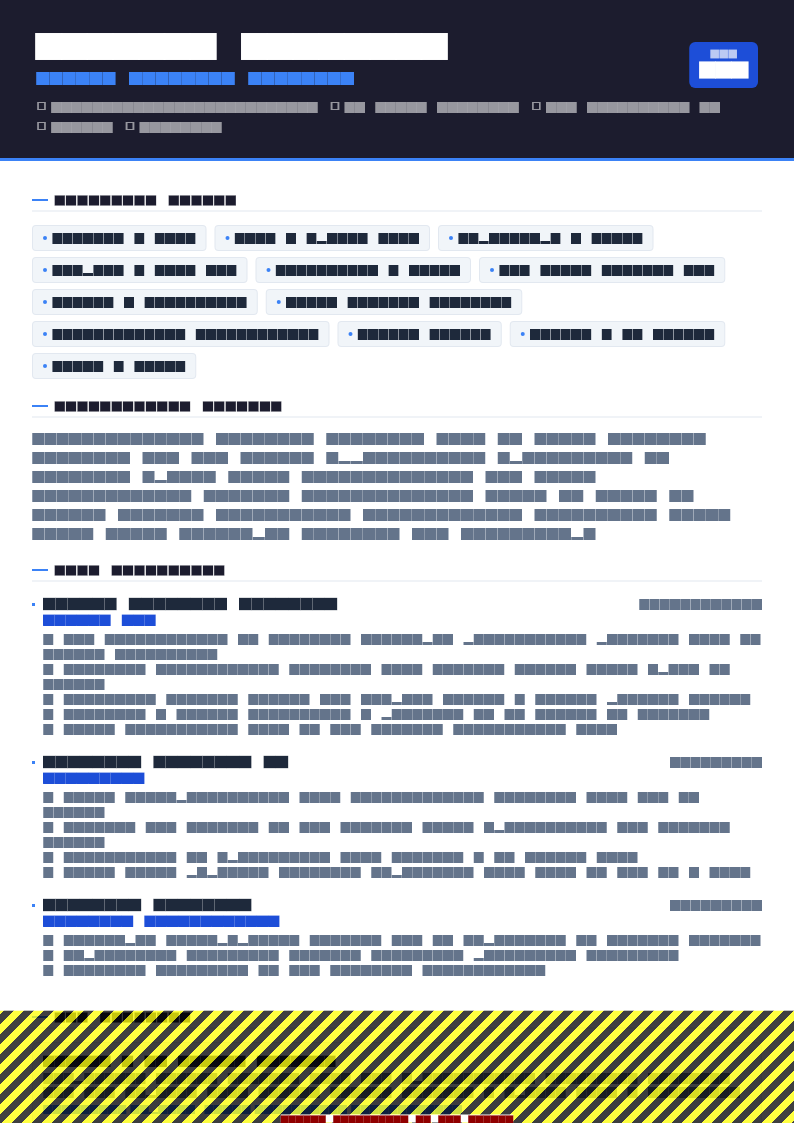
Software Engineer ATS resume template
Software Engineer ATS is built around a categorised skills matrix that stays scannable even when the stack list runs long, without pushing your experience onto a second page. ATS 96, free.
Use this template in NextCVSkills section checklist
- 12–30 items in four to six labelled categories
- Every item is something you would accept an interview question on
- Grouped as labelled plain-text lines, never a table or grid
- The target posting's terms appear first within each category
- Ambiguous acronyms spelled out once alongside the short form
- No skill bars, star ratings or percentage dials
- No “Microsoft Office” without specifics; no “email” or “internet”
- Soft skills moved out of the list and into experience bullets
- Key skills also appear inside at least one experience bullet
- Skills in progress labelled honestly with a date
Frequently asked questions
How many skills should I put on a resume?
Between 12 and 30, grouped into four to six labelled categories. Fewer than about ten looks thin for most professional roles; beyond thirty the list stops being a signal and starts being noise.
The real constraint is not the count but the standard: every item should be something you would accept an interview question on.
What is the difference between hard and soft skills?
Hard skills are teachable, testable and specific — Python, phlebotomy, IFRS 16, SolidWorks, Epic. Soft skills are behavioural — communication, leadership, adaptability.
Both matter to employers, but only hard skills belong in a skills list. Soft skills are unverifiable when asserted, so they earn their place inside experience bullets where the evidence lives.
Should I list Microsoft Office on my resume?
Only with specificity, and only where it is genuinely part of the job. "Microsoft Office" is assumed and wastes a line. "Excel — Power Query, PivotTables, INDEX/MATCH, VBA macros" is a real skill claim that a finance or operations recruiter will search for.
The same logic applies to email, web browsers and typing. If everyone applying has it, listing it tells nobody anything.
Where should the skills section go?
Directly under your summary, above work experience, for almost everyone. It is the recruiter's first pattern match and it costs four to six lines.
In regulated fields, licences and certifications come first and skills sit after experience. Academic CVs place technical skills lower still, after publications.
Do skill rating bars or percentages help?
No, they actively hurt. Graphical bars and percentage dials contain no extractable text, so a parser sees an empty section where your skills should be. They are also meaningless to readers — nobody agrees on what 80% Python means.
If you need to convey depth, do it with years in brackets or with an experience bullet that shows the skill in use at scale.
Should I add skills I am still learning?
Yes, if you label them honestly. "Kubernetes (learning, CKA scheduled 11/2026)" is credible and shows trajectory. Listing it unqualified alongside skills you have used in production is the kind of thing that unravels in a technical interview.
Keep a small number of these — one or two — and only where they are relevant to the roles you are targeting.
NextCV Editorial
NextCV is an AI resume builder by Empire Softtech. We publish the same guidance our in-app ATS analyser is built on — seven weighted sections, 29 templates scored from 72 to 98, and no formatting advice we would not follow ourselves.